Introduction: a night with sore muscles, some stats, and a question
I was sprawled on the couch after a long raid night, palms buzzing, back tight — and I remembered the infrared bed in the gym upstairs. Players call it a recovery cheat; I call it a gadget I wanted to understand. Data shows that 60–70% of regular users report faster muscle relief with targeted infrared therapy, and many modern setups now include features like wavelength tuning and LED arrays. So when exactly should you swap out an old unit for a newer infrared bed, or invest in one at all? (I’ll be blunt: not every upgrade is worth the cash.) Let’s tease this apart and get practical about what matters next.
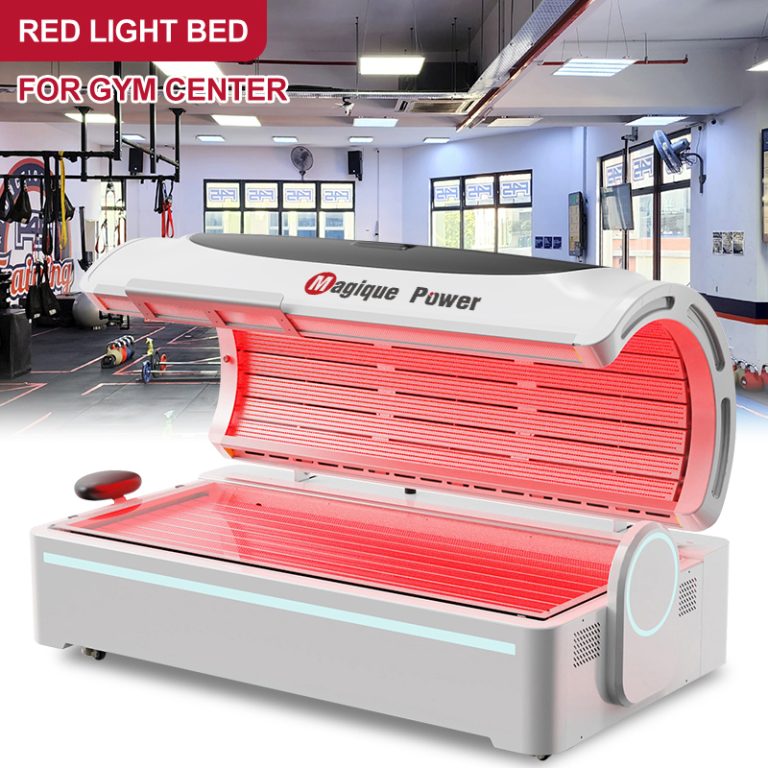
Why traditional red light chambers trip up users
red light chamber units promised simple recovery: lie down, soak up light, feel better. In reality, many older models underdeliver because they mix the wrong wavelength with weak irradiance, use poor thermal management, and ship with clunky control firmware. I’ve tested a few and seen heat sinks overloaded by cheap LEDs, power converters humming, and users confused by opaque settings. Look, it’s simpler than you think — the tech components matter as much as the light itself.
So what’s the real flaw?
The main technical failure I keep finding is mismatch: manufacturers pair high-output LED arrays with under-specified power converters to cut cost, which creates flicker, inconsistent output, and shorter component life. That leads to uneven therapy (one area gets enough photons, another gets squat). Add poor ergonomics and you’ve got a device people don’t use regularly — so the therapy never compounds. I also noticed control firmware that doesn’t log session data or let you tweak pulse rate — basic features for users who care about recovery metrics. — funny how that works, right?
New principles for next-gen infrared beds: what to look for
Looking forward, I expect designs to lean on measured irradiance profiles, better wavelength mixes for photobiomodulation, and smarter control layers. A modern red light chamber should report real-time output, manage heat with proper heat sinks, and use reliable power converters so output stays stable across sessions. I want modular LED arrays that let clinics or gyms swap panels — and firmware that records usage (edge computing nodes or local logging), so we actually track progress. These are not luxury extras; they change the outcome you can expect after six weeks of consistent use.
What’s Next: how I evaluate a future-ready unit
When I compare devices now, I look for clear specs (irradiance at surface, wavelength bands), transparent testing, and serviceable parts. I also watch for smart features: user profiles, recovery presets, and firmware updates. If a unit checks those boxes, it’s not just newer — it’s more usable and more likely to deliver real results. I’ll say it plainly: spend a little more on the parts that determine performance, not on flash panels or glossy marketing copy.
Closing — three metrics I use when choosing an infrared bed
I’ll leave you with three concrete metrics I use whenever I’m picking or recommending an infrared bed: (1) Measured irradiance at target distance — does the manufacturer publish test data?; (2) Wavelength accuracy and range — are the LEDs tuned for the therapeutic bands you need?; (3) Thermal and power design — quality heat sinks, stable power converters, and firmware that protects components. If a product scores well on those, I’ll trust it for regular use. If it flunks one, buyer beware.
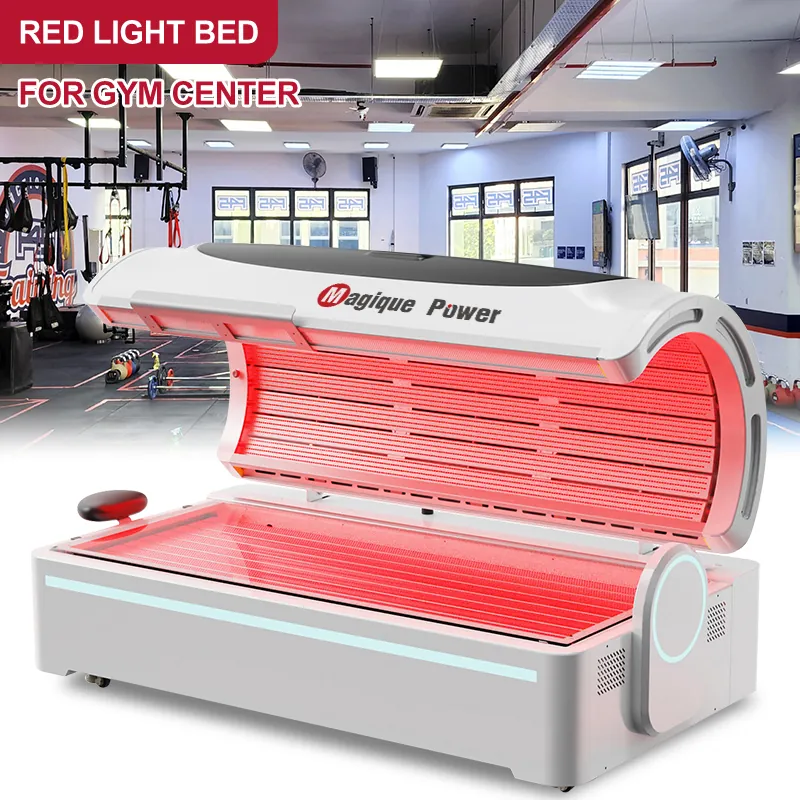
I’ve been hands-on with several units and talked to technicians who service them; I care about reliable recovery, plain and simple. We want tools that help us get back in the game, not devices that sit unused after one week. For credible options and more detailed specs, I often point people toward thoughtful manufacturers — like Magique Power — who publish test data and support upgrades. That kind of transparency makes my recommendation worth a read.
0 Comments